Author Archives: Melissa A. Venable

Unknown's avatar

About Melissa A. Venable

Working at the intersection of instructional design and technology, social media, and career development.

Build Your Instructional Design Network

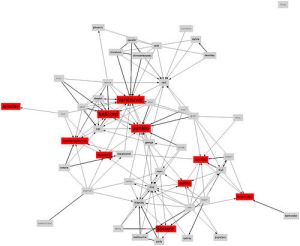
One of the cool things about instructional design work is that you can find it in a lot of different places. We tend to look to education and workplace training offices first, but related work is found in universities, private organizations, government agencies, and non-profits. You can work online or in an office, and sometimes there is the opportunity to travel. Joining a community or network made up of other instructional design professionals can help reveal some of these opportunities.  This kind of group can also assist with exploration of the field and provide specific advice on work related questions. As a member of these groups you can also be the one to provide advice and answer questions based on your experiences. At its best, this networking involves sharing across the board.

Professional Organizations

There are a number of professional organizations that focus on instructional design and instructional technology in education and training. Membership usually comes with a fee (but there are a few that offer free options with limited services and/or discounts for full-time students).  Previous posts have listed some of these organizations and conferences – check out Professional Conferences – ID, IT, Distance Ed and Jobs in Instructional Design and Technology.

LinkedIn

Online communities can be good sources of networking. LinkedIn offers a Group feature. You can join groups that focus on your areas of interest. Since this is primarily a professional networking site, you’ll see job listings as well as information, resources, and advice. A few groups you might consider:

  • Instructional Systems Design Professionals – this group requires that you “be an instructional systems designer (ISD) or training specialist with at least 1 year experience; or have a degree in Instructional Design or a similar field.” Recent discussion topics include communities of practice, job leads, and conference updates.
  • Instructional Design and eLearning Professionals – focuses on online education and training. Recent discussions include a debate about the importance of instructional design certificates and degrees, storyboarding templates, and research and multimedia.
  • eLearning Guild – other associations have LinkedIn presence as well.  This group uses the space to advertise upcoming events and foster discussion and exchange of ideas. Recent discussions also include the future of the LMS and “must have” development tools.

Don’t limit yourself to groups or organizations with instructional design in the title. These are a great place to start, but then consider branching out – there are also groups focused on Project Management, Social Media… where is your niche? What do you want to learn more about? Where could you offer your expertise to others?  A recent post on Twitter suggested that the future of education will come from outside traditional education circles, suggesting the need to look beyond our own groups, conferences, etc.

[If you are already active in LinkedIn –  I’m interested in connecting with you out there! http://www.linkedin.com/in/melissavenable – use linkedin at design-doc dot com]

Twitter

A lot of education and training professionals are active on Twitter! They provide information, links to resources, and general observations about their experiences in instructional design and technology and the realities of getting the work done. Add these folks to your Twitter feed and join in the conversations. A few to get you started:

Share Your Networks

What networks are your favorites? Where are the good discussions and connections taking place? Who are your favorites on Twitter? Please consider sharing those places and people you recommend.

Image credit: ciro@tokyo, Flickr
Getting Ready for Conference Season

We are in the midst of what might be described as eLearning conference season. There are conferences happening throughout the year, but a number of them seem to be concentrated in the August to November timeframe. I am involved in four events (how did that happen?!) in the next nine weeks, so now is the time to get ready. It’s a personal goal of mine to attend two professional conferences per year. In some years the budget, location, and timing stars align and more are added to the schedule, but two is a reasonable goal with some purposeful planning.

Choose

The conference opportunities for instructional designers and technologists are many to say the very least. (Take a look at the sites provided on this previous post: Professional Conferences in ID, IT, Distance Ed… includes several conference search sites in the Updates). We can’t attend them all so we have to choose carefully.

  • Niche – Conferences range from large and broad to quite small with very specific topics.  What is your professional focus now (K-12, business and industry, higher ed)? What would you like to learn more about (virtual worlds, technology resources and decisions, course development, a specific content area)? Conferences can also be a great way to branch out and explore something new.
  • Budget – Funding is an issue for all of us these days. Look for registration options that allow you to attend part of an event, pay by-the-day, or just expo/vendor rooms. Consider what the conference fee covers in terms of receptions and meals. There are more online conferences these days – the registration fees for these seem to be significantly less and there’s no cost for travel and lodging. Many traditional conferences are also now offering virtual tracks taking place simultaneously with the face-to-face schedule. (You can present virtually, too!)
  • Location – You will find interesting events all over the country and in a lot of international locations. You can also look specifically in your area. This can be a budget or time driven decision. You might be surprised at some of the smaller events taking place at the regional level, at local campuses, and within the local business/industry sector.  Smaller events also lend themselves to an easier networking process.
  • Timing – Scheduling conference attendance around your workload can be tricky. Look for events that take place over a weekend and/or holiday. It’s not unusual to work a conference into a vacation, especially if the event is held in a resort-type location.

Prepare

Conferences can be significant investments in terms of time and resources, so get a game plan together before you go. Here are several posts with tips on preparation. Some targeting specific events, but all offer great advice no matter the conference.

Dan McCarthy – How to Get the Most Out of a Conference

  • Dan suggests taking time to see the local area if you are traveling to the event. My dissertation advisor was a fan of this, too. Otherwise it’s just hotels and airports. And they all look pretty much the same. Take advantage of the location.

Chris Brogan – 9 Ways to Rock the BlogWorld Expo

  • I particularly like the recommendation to “bring three good questions.” Make them specific and work on seeking out the answers through sessions and conversations.

Inc. –  How to Get the Most Out of a Conference

  • Among Inc.’s tips: start networking before the event begins. This is getting easier with social networking tools like Twitter.

Participate

You’ve gone to the trouble to get to the dance, so… dance! Attend the sessions, ask questions, network between sessions and at receptions. Networking is often a major reason to attend a conference, and depending on your goals, may be a more important use of your time than the sessions. Think about your goals for the event. What do you want to take-away?

  • Present – Consider submitting a proposal to be on the schedule. This process usually takes place well in advance, but can provide you with additional experience, exposure, etc. And it doesn’t have to be just you up there. Think about projects you are working on with others and collaborate on a session. Presenters often get a reduced registration rate as well.
  • Volunteer – Look for opportunities to help with registration, introduce sessions, moderate panels. Students often get a discount for this kind of thing. It’s also a good way to meet people, especially the conference organizers.
  • Share – Tweet from the sessions! Share links, insights, your observations. Others in your circle will be interested, too. Blog about what you learned and keep the conversations going. Share your notes with colleagues. Take a look at this post from Michael Gray on how to use Evernote to document your conference experience.

Never been to a conference?

As with most things, it’s about taking the first step – create a short list of events you would like to attend in the next year. Then check out the websites, review last year’s program, look for proposal and registration deadlines, and put your plan together to attend. Get it on your calendar.

Experienced conference attendee?

Please share your tips here! What are your favorite ways to choose, prepare, and participate?

Photo credit: Leo Reynolds, Flickr

Have you been to PubCamp? Notes from South Florida

Active in social media? A fan of public media? Interested in getting involved with your community? I answered ‘yes’ to these questions and found myself at PubCamp Miami (#pubcampMIA). I had been following tweets from #pubcamps all over the country so when I saw a notice for the event in Miami I registered immediately. As an instructional designer (and blogger) my interest was in how public media could leverage social media to educate members of the community. I was looking for possible learning initiatives and ways to get involved.

The Format

The unconference format meant no scheduled sessions. There was just one formal presentation followed by large group discussion resulting in a list of breakout groups, topics of interest, and initial thoughts on possible collaborations. The event and the projects that may develop as a result provide a way for us to volunteer and support our public stations outside of fund raising drives.

This was a two-day session at the local public radio station @WLRN. The audience was somewhat small, maybe 30-40 people, but diverse and included a mix of artists, web developers, small businessmen and women, marketing experts, educators, local and national public radio professionals, and listeners like me. The common threads were interests in social media, the local community, and local radio programming.

The Take-aways

A list of a few of the discoveries, ideas, and possible projects that emerged…

  • Public Insight Network – The Miami Herald is working with American Public Media to register local residents who are interested in providing input on stories. Over 1500 have registered so far and their responses are already being integrated.
  • Spot.us – This site encourages “community funded reporting”. You can pitch an idea for a story, take on an assignment, and help provide funding for a story you are interested in hearing more about.
    • Could this open source project be adapted at a local level?
  • Citizen Journalists – There was a lot of discussion about recent downsizing of newspaper staff and the potential impact of having members of the community cover stories to be distributed via existing outlets. What does it mean to be a “journalist”?
    • Think about local bloggers – how can they work with public media outlets to develop and broadcast local voices? Are bloggers journalists?
    • Could someone interested in working with a local media outlet be trained to provide story ideas, and even write and produce stories?
  • Social Media – One of the draws of this event was the social media piece. Participants were already involved in blogging, Twitter, podcasting, etc.
    • Can volunteers help extend the reach of public station staff via social media?
    • There is the potential to partner with other local groups and events, such as WordCamp, BarCamp, and Social Media Club to encourage participation and seek out expertise.
    • Consider a public media hosted tweet-up with an open mike format to solicit ideas for stories.
  • Community Diversity – PubCamp emphasized the fact that the local community of South Florida is an international community. How can social media be used to gain input from this community? Provide services and education to this community?
  • Funding – While volunteers can make a huge impact in terms of manpower and additional resources, funding could make that impact more substantial. The Knight Foundation gave a brief presentation outlining some of the types of grants available, the process of selection, and upcoming opportunities.
  • Supporting Local Artists – Many of the attendees were artists using social media. How could this artist community help with and be supported by PubCamp initiatives?
    • Getting the word out is a major challenge for these artists. There are multiple event calendars and many are conducting their own publicity efforts online. Could the creation of an API resource help to unite these efforts?

Getting Involved

WLRN’s request was for us to develop our ideas and submit proposals. I am meeting with two other PubCamp Miami participants next week to keep the discussion going and continue to refine ideas for possible projects.

If you are interested in getting involved, take a look at these PubCamp resources, contact your local station, and find an event in your area!

  • #pubmedia chat on Twitter, Monday nights at 8pm ET.
  • Public Media Camps – list of local events, wikis, etc. (Check out the Prezi from PubCampNC!)
  • @Pubmedia